
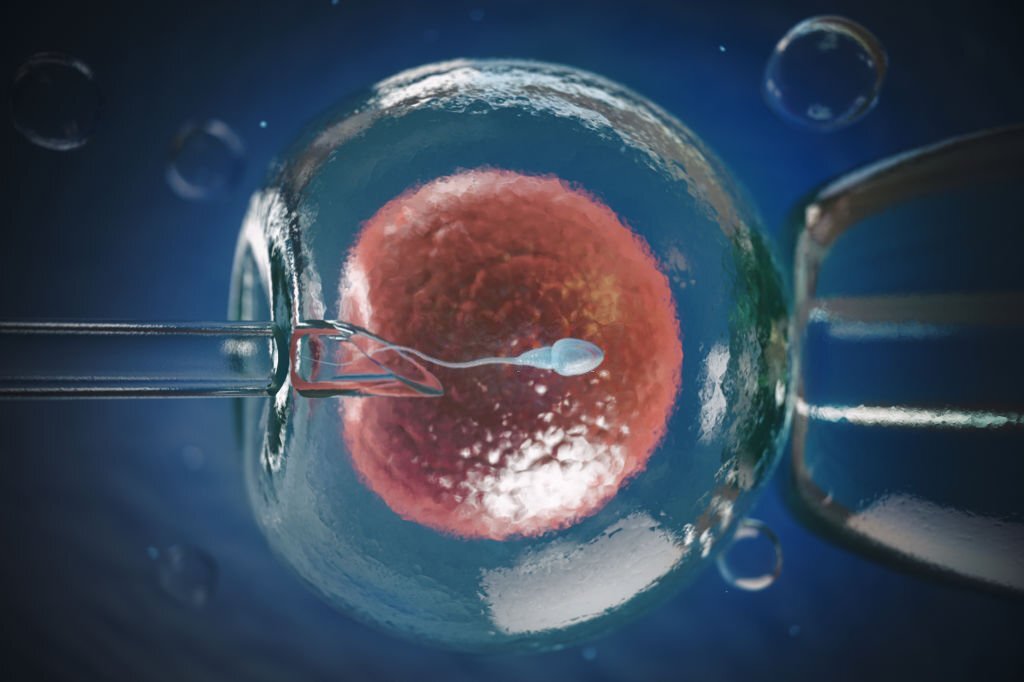
Male Infertility Treatments

Male Infertility Treatment in Nagpur

Advanced science and research prove that infertility is common in both genders and can occur at any stage of their lives. Male infertility, especially, is less commonly known and is often not treated as seriously as female infertility. However, to break the odds and achieve success at conception, both partners must be healthy and fertile. Much like women, male fertility can be impacted by age and other lifestyle factors like smoking and drinking. At Samartha Fertility and Foetal Medicine, we have incorporated a range of facilities and treatments to ensure that men can have a safe and secure chance at resolving their fertility issues.

Fertility Diagnosis and Treatment for Men:

To accurately diagnose and treat fertility issues in men, we at Samartha Fertility and Foetal Medicine Centre provide a diverse range of fertility treatments to cater to each issue that prevails in the spectrum of male infertility. They include,

  • Azoospermia
  • ICSI
  • PESA & TESA
  • Psychological counselling.

Azoospermia:

It refers to a condition where there is no sperm present in the semen or ejaculate. This is rare, but 15% of infertile men are affected by azoospermia. This condition can be the result of various factors, such as,

  • Groyne injury
  • Chemotherapy
  • Radiation
  • Klinefelter’s syndrome 
  • A blockage affecting your sperm passage.

Fertility Diagnosis and Treatment for Men:

To accurately diagnose and treat fertility issues in men, we at Samartha Fertility and Foetal Medicine Centre provide a diverse range of fertility treatments to cater to each issue that prevails in the spectrum of male infertility. They include,

  • Azoospermia
  • ICSI
  • PESA & TESA
  • Psychological counselling.

Azoospermia:

It refers to a condition where there is no sperm present in the semen or ejaculate. This is rare, but 15% of infertile men are affected by azoospermia. This condition can be the result of various factors, such as,

  • Groyne injury
  • Chemotherapy
  • Radiation
  • Klinefelter’s syndrome 
  • A blockage affecting your sperm passage

Depending on these factors, azoospermia can be classified into three types. They are,

  • Pretesticular Azoospermia: It is a rare type of azoospermia, in which your testicles are relatively normal, but there is still a factor affecting sperm production or sperm passage. It could happen because of low hormone levels.
  • Testicular Azoospermia: This happens when your sperm is affected because of damage to the testicles.
  • Post-Testicular Azoospermia: This refers to a condition where sperm production is normal, but something is preventing their passage or reach.

Diagnosing Azoospermia:

To diagnose azoospermia, your doctor might request your medical history to learn about lifestyle habits, and run some tests like semen analysis, hormone tests, a biopsy, X-rays, and, in some cases, imaging tests like a CT scan and MRI.

Symptoms of Azoospermia:

Symptoms of azoospermia can be noticed in the following ways:

  • Sexual dysfunction
  • Pain, swelling, or a lump in the testicle area
  • Decreased facial hair
  • Signs of abnormal chromosomes or hormonal activity.

Treatments:

Treatment for azoospermia might depend on the type of azoospermia affecting you,

  • In the event of a blockage, surgery might be performed to unblock the passage. In some cases, semen can be retrieved without the need for surgery.
  • If it’s linked to a hormone problem, then our doctor will treat you with medication and hormone treatments.
  • If a varicocele is the cause of azoospermia, then it is treated with a surgical procedure.

Preventive Measures:

Following certain preventive measures can certainly help prevent the occurrence of Azoospermia. These include:

  • Reducing or stopping smoking.
  • Limit your alcohol and drug intake.
  • Avoid medications that affect sperm count.
  • Maintain a healthy weight.
  • Manage stress levels.
  • Limit or avoid exposure to pesticides, heavy metals, and other toxic substances.