

For some couples undergoing fertility treatment, getting the sperm and egg together is only one part of the challenge. If sperm numbers are low, movement is poor or there have been difficulties with fertilisation during previous IVF treatment, your fertility specialist may discuss ICSI.
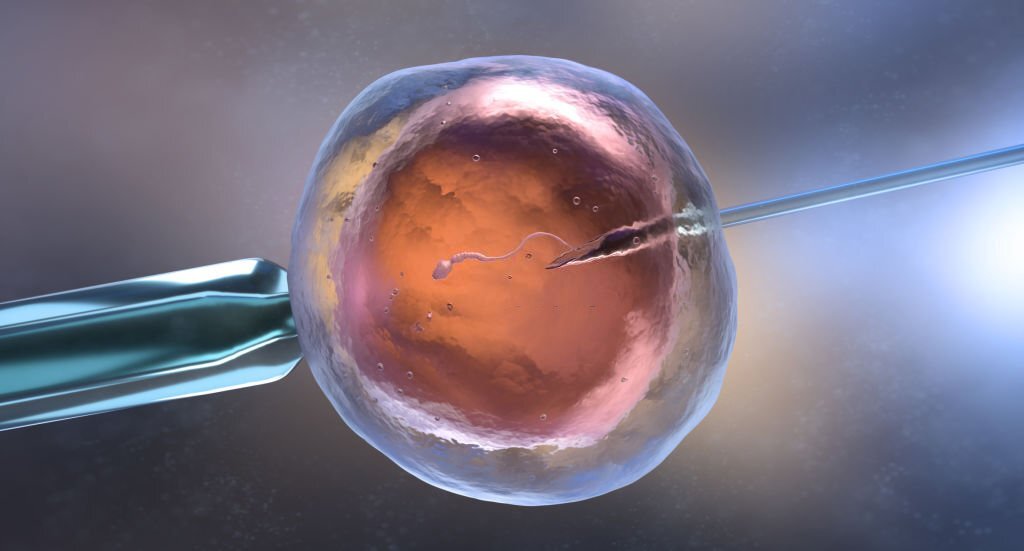
ICSI, or intracytoplasmic sperm injection, is an advanced form of assisted fertilisation used alongside IVF. Instead of allowing sperm and egg to fertilise together in the laboratory, a single selected sperm is injected directly into the egg.
At Samartha Fertility and Fetal Medicine Centre, ICSI is considered based on the fertility factors involved, rather than being treated as a routine step for every IVF cycle.
ICSI stands for intracytoplasmic sperm injection.
During the procedure, an embryologist selects an individual sperm and carefully injects it into a mature egg using specialised laboratory equipment. If fertilisation occurs, the resulting embryo is monitored as it develops and may later be transferred into the uterus as part of the IVF treatment process.
So, while people often refer to ICSI as a separate fertility treatment, it is actually a fertilisation technique used as part of an IVF cycle.
ICSI may be considered when there are concerns about sperm quality or when conventional IVF fertilisation may have a lower likelihood of success.
Your fertility specialist may recommend ICSI in situations such as:
Not every couple undergoing IVF needs ICSI. The decision depends on the findings from your fertility assessment and the circumstances of your treatment.
Although ICSI itself is a laboratory procedure, it forms part of the wider IVF process.
Medicines are used to encourage the development of multiple eggs. The ovaries are monitored through scans and other assessments to determine when the eggs are ready for retrieval.
The mature eggs are collected through a planned procedure and taken to the IVF laboratory.
A semen sample is processed to identify suitable sperm. In certain cases of severe male infertility, sperm may need to be retrieved using a specialised procedure.
An embryologist selects an individual sperm and injects it directly into a mature egg using a fine specialised needle.
Following fertilisation, the embryos are observed in the laboratory as they develop. The embryology team monitors their progress before an embryo is considered for transfer or freezing.
When appropriate, an embryo is transferred into the uterus. Further follow up is then planned to determine whether pregnancy has occurred.
IVF and ICSI are closely connected, but they are not exactly the same.
In conventional IVF, eggs and prepared sperm are placed together in the laboratory and fertilisation is allowed to occur naturally.
With ICSI, a single sperm is directly injected into a mature egg.
The rest of the treatment, including ovarian stimulation, egg retrieval, embryo development and embryo transfer, can be similar.
Whether conventional IVF or ICSI is more appropriate depends on the couple’s fertility factors. A more advanced technique is not automatically a better technique for everyone.
Male infertility is one of the most common reasons for considering ICSI. However, the decision is not based on sperm count alone.
Your doctor may consider sperm concentration, movement, morphology, previous fertilisation outcomes and the method through which sperm is obtained.
ICSI may also be considered when previous IVF treatment resulted in little or no fertilisation or when particular circumstances make direct sperm injection a suitable option.
A detailed fertility assessment helps determine whether ICSI is likely to be useful in your specific case.
ICSI helps overcome certain barriers to fertilisation, but it cannot guarantee pregnancy.
The overall outcome of an ICSI cycle can be influenced by several factors, including:
This is why ICSI should be viewed as one part of a complete fertility treatment plan rather than a standalone solution.
When looking for an ICSI centre in Nagpur, the laboratory and embryology team are particularly important because the ICSI procedure itself takes place in the IVF laboratory.
The experience of the fertility specialist, embryologists, laboratory facilities, treatment protocols and ability to manage different fertility conditions can all be considered when choosing a centre.
It is also useful to choose a fertility centre where you can receive appropriate evaluation before treatment and discuss alternative options if ICSI is not necessary.
At Samartha Fertility and Fetal Medicine Centre, assisted reproductive treatment is planned around the individual fertility needs of each couple.
Dr. Sharad Ingle, Fertility Specialist and Advanced Laparoscopic Surgeon, has specialised training in reproductive medicine and experience in managing complex fertility concerns, including male infertility and previous IVF failure.
The centre brings together fertility expertise, advanced assisted reproductive techniques and dedicated embryology support, allowing treatment to be planned around the specific fertility factors identified during evaluation
ICSI is considered when the fertility assessment suggests that direct sperm injection may be beneficial. The treatment plan is discussed with the couple so they understand why the technique is being recommended and how it fits into their overall IVF journey.
For couples searching for the best ICSI centre in Nagpur, Samartha brings together specialised fertility care, advanced treatment options and personalised support throughout the treatment journey
The cost of ICSI treatment in Nagpur can vary from one couple to another.
Factors that may influence the overall treatment expense include the IVF cycle, fertility investigations, medicines, laboratory procedures, embryo culture, freezing or storage when required and any additional procedures recommended based on individual circumstances.
Rather than relying on a standard figure, it is better to discuss your specific treatment plan with your fertility specialist and understand what is included in the estimated cost.
Before beginning ICSI, you may want to discuss:
Having these conversations before treatment can help you understand the process and make informed decisions.
Fertility treatment can sometimes feel like a series of unfamiliar medical terms and procedures. Understanding what each treatment is actually trying to achieve can make the journey feel a little less overwhelming.
ICSI provides a targeted method of fertilisation for selected couples, particularly when sperm related factors or previous fertilisation difficulties are involved.
If you are considering ICSI treatment in Nagpur, the right starting point is a detailed fertility evaluation to understand whether ICSI is appropriate for you.
At Samartha Fertility and Fetal Medicine Centre, the focus is on choosing fertility treatment based on your individual circumstances rather than simply choosing the most advanced option available.
Book a consultation to understand whether ICSI is right for you and take the next step towards building your family.
ICSI may be considered when there are significant sperm-related concerns, such as very low sperm count, poor sperm movement or abnormal sperm morphology. It may also be considered when sperm is obtained surgically or when previous IVF resulted in poor or failed fertilisation. The decision depends on the couple’s individual fertility assessment.
Your fertility specialist may recommend tests to understand the factors affecting fertility before ICSI. These can include semen analysis, hormonal tests, ultrasound, ovarian reserve assessment and other investigations based on your medical history. If severe male infertility is involved, additional evaluation may be required to determine how sperm can be obtained for treatment.
ICSI forms part of an IVF cycle, so the overall treatment involves several stages, including ovarian stimulation, monitoring, egg retrieval, sperm preparation, injection, embryo development and transfer. The exact timeline can vary depending on the treatment protocol and whether a fresh or frozen embryo transfer is planned.
Age can influence fertility treatment because egg number and quality generally change with age. However, ICSI outcomes are also affected by factors such as ovarian reserve, egg quality, sperm quality, embryo development and the underlying fertility condition. Your fertility specialist will consider these factors together when planning your treatment.
The cost of ICSI can vary depending on the IVF cycle, medicines, fertility investigations, laboratory procedures, embryo culture and any additional procedures required. Embryo freezing or storage may also affect the overall expense. A consultation can help you understand what your individual treatment plan involves and provide a clearer estimate of the expected cost.
If an ICSI cycle does not result in pregnancy, your fertility specialist may review the different stages of the treatment, including ovarian response, fertilisation, embryo development and transfer. Depending on the findings and your individual circumstances, the doctor may reassess the treatment plan and discuss whether another cycle or an alternative approach is appropriate.

© 2026 Samartha Fertility & Fetal Medicine Centre All Rights Reserved.
Powered by