
When a gynaecological condition requires surgery, understanding the available treatment options can help you make a more informed decision. Depending on the diagnosis, laparoscopic surgery may offer an alternative to conventional open surgery.
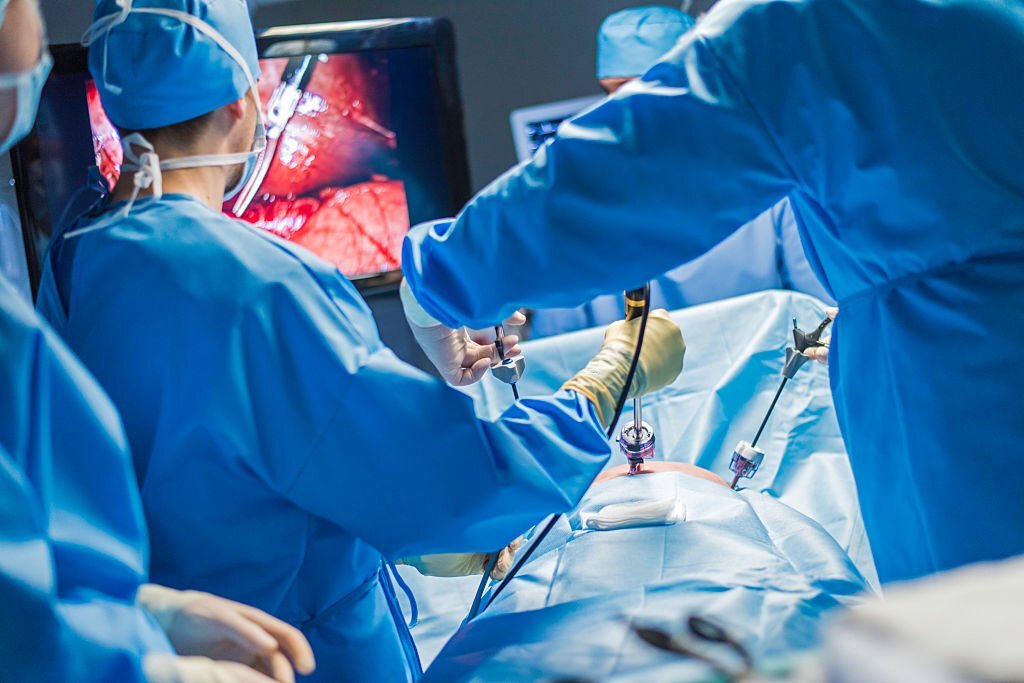
Laparoscopy is a minimally invasive surgical technique that uses a small camera and specialised instruments inserted through small incisions. It allows the surgeon to examine or operate on structures inside the abdomen and pelvis without making a large surgical incision.
At Samartha Fertility and Fetal Medicine Centre, Nagpur, laparoscopic expertise forms part of the centre’s approach to reproductive and gynaecological care. Dr. Sharad Ingle, Fertility Specialist and Advanced Laparoscopic Surgeon, has specialised training in reproductive medicine and experience in advanced laparoscopy.
For patients looking for a laparoscopic surgeon in Nagpur, understanding the procedure, its possible applications and the recovery process can help prepare them for a consultation.
Laparoscopic surgery is performed using a thin instrument with a camera, known as a laparoscope, along with specialised surgical instruments. The camera transmits images to a monitor, allowing the surgeon to visualise the operative area.
The procedure is generally performed under anaesthesia. The number and size of incisions, the duration of surgery and the recovery period depend on the type of operation and the patient’s medical condition.
Laparoscopy may be used for diagnostic purposes, treatment of selected gynaecological conditions or certain fertility-related procedures.
Not every patient is suitable for laparoscopic surgery. The treating surgeon will evaluate the diagnosis, previous surgeries, overall health and other relevant factors before recommending an approach.
Laparoscopic surgery may be considered for selected conditions affecting the uterus, ovaries, fallopian tubes and other structures in the pelvis.
Depending on the individual diagnosis, possible indications include:
The suitability of laparoscopy depends on the nature and severity of the condition. Some situations require open surgery or another treatment approach.
Diagnostic laparoscopy allows the surgeon to examine the pelvic and abdominal organs directly. In selected patients, it may help investigate suspected endometriosis, pelvic adhesions or other conditions that cannot be adequately assessed through non-invasive investigations alone. It is recommended only when the expected clinical benefit justifies the procedure.
Endometriosis occurs when tissue similar to the lining of the uterus grows outside the uterus. It may be associated with pelvic pain, painful periods and difficulty conceiving. In selected cases, laparoscopic surgery may be used to assess and treat endometriosis. The treatment plan depends on the extent of the disease, symptoms, fertility goals and previous treatment.
Some ovarian cysts resolve without surgery, while others require further assessment or treatment. When surgery is indicated, a laparoscopic approach may be suitable for selected cysts. The decision depends on the cyst’s appearance, size, symptoms, suspected nature and the patient’s clinical circumstances.
Certain pelvic conditions, including adhesions and some forms of endometriosis, may affect reproductive health. In selected cases, laparoscopic evaluation or treatment may form part of an infertility management plan. However, surgery is not required for every person experiencing infertility. The potential benefits, risks and alternative fertility treatments should be discussed before deciding on a procedure.
Laparoscopy may also be used for selected procedures involving the uterus, fallopian tubes or other pelvic structures. The exact procedure depends on the condition being treated and the surgeon’s assessment. Your consultation should clarify the purpose of surgery, the expected benefits, possible risks and any alternatives.
When laparoscopic surgery is appropriate, its potential advantages over open surgery may include:
These benefits vary according to the type of surgery, the patient’s health and whether complications occur. Laparoscopy still carries surgical and anaesthetic risks, and conversion to open surgery may occasionally be necessary.
Before surgery, the surgeon reviews your symptoms, medical history, previous operations, investigations and current medications.
Depending on the procedure, preparation may include:
Patients should inform the medical team about existing health conditions, allergies and all medicines or supplements they take.
Recovery depends on the type and complexity of the operation. Some patients return to routine activities relatively quickly, while others require a longer period of rest and follow-up.
Mild abdominal discomfort, temporary bloating or shoulder-tip discomfort may occur after some laparoscopic procedures. Your surgical team will explain which symptoms are expected and how to manage them.
Follow the discharge instructions, take prescribed medicines as advised and attend follow-up appointments. Seek prompt medical attention for concerning symptoms such as fever, worsening abdominal pain, heavy bleeding, persistent vomiting, wound problems or breathing difficulty.
At Samartha Fertility and Fetal Medicine Centre, surgical decision-making is considered alongside each patient’s symptoms, reproductive goals and overall health.
Dr. Sharad Ingle, Fertility Specialist and Advanced Laparoscopic Surgeon, has specialised training in reproductive medicine and experience in fertility care, advanced laparoscopy and previous IVF failure cases.
This expertise can be relevant when selected gynaecological conditions and fertility concerns need to be evaluated together. The recommended approach is individualised: some patients may benefit from surgery, while others may be better suited to medication, observation or fertility treatment without surgery.
If you are experiencing persistent pelvic pain, have been diagnosed with a gynaecological condition or have been advised to consider laparoscopic surgery, a specialist consultation can help you understand your options. At Samartha Fertility and Fetal Medicine Centre, the aim is to explain the diagnosis, discuss appropriate treatment approaches and help you make an informed decision. Book a consultation with Dr. Sharad Ingle to discuss whether laparoscopic surgery may be appropriate for your condition.
Laparoscopic surgery is a minimally invasive technique that uses a camera and specialised instruments inserted through small incisions. It is used for selected abdominal, pelvic and gynaecological procedures.
Suitability depends on the condition being treated, its severity, previous surgeries, overall health and other clinical factors. A surgeon will assess these details before recommending laparoscopy.
Yes. In selected cases, laparoscopy can help assess and treat endometriosis. The decision depends on symptoms, disease extent, fertility goals and other treatment options.
Laparoscopy may help diagnose or treat selected conditions that affect fertility, such as endometriosis or pelvic adhesions. It is not necessary for every infertility evaluation, and its potential benefits should be weighed against risks and alternative treatments.
Recovery varies depending on the procedure, the patient's health and whether complications occur. Your surgeon will provide an individual recovery plan, including guidance on returning to work, exercise and other daily activities.
Laparoscopy may offer benefits such as smaller incisions and faster recovery for appropriate procedures. However, it is not automatically the safest option for every patient. The choice depends on the condition, surgical complexity and individual risk factors.
Bring previous medical records, ultrasound or other imaging reports, laboratory results, a list of current medicines and details of any previous surgeries. These help the surgeon evaluate your condition and discuss suitable options.

© 2026 Samartha Fertility & Fetal Medicine Centre All Rights Reserved.
Powered by